
Hair Implant Procedures in London are often chosen by patients who notice thinning caused by inherited hair loss patterns. Hair Implant Procedures in London can restore density, but genetics still plays a central role in determining how much donor hair is available and how natural the final result appears.
Before surgery, understanding genetic hair loss helps set realistic expectations. Your DNA influences follicle strength, hair thickness, growth cycles, and long-term stability. Even the best technique cannot override genetic limitations, but careful planning can work with them.
Clinics such as London Hair Transplant Clinic assess genetic patterns carefully during consultation. This evaluation protects long-term density and prevents overharvesting.
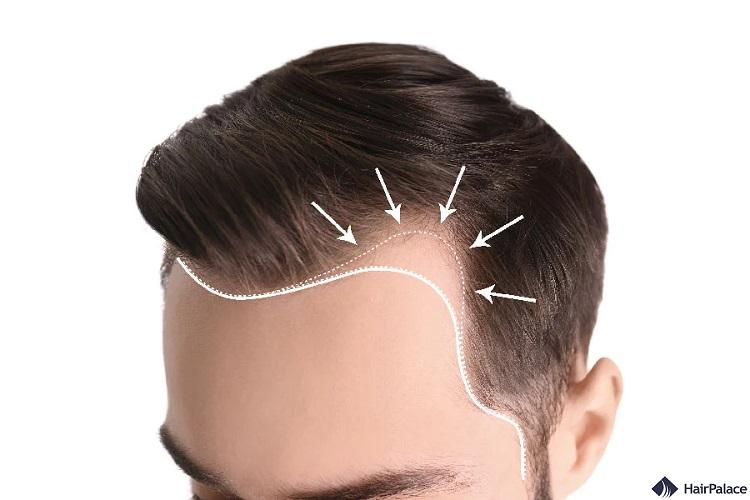
How Genetics Affects Hair Density Before Hair Implant Procedures in London
Hair Implant Procedures in London rely on the strength of donor hair. Most donor grafts come from the back and sides of the scalp. These areas are usually resistant to dihydrotestosterone (DHT), the hormone linked to pattern baldness.
However, not all patients have the same donor strength. Genetics determines:
- The number of follicles per square centimetre
- The thickness of each hair shaft
- The speed of hair growth
- The likelihood of future thinning
Patients with strong donor density often achieve fuller coverage. Those with limited donor supply require careful graft planning.
A best hair transplant clinic will measure donor density before recommending surgery. This prevents unrealistic goals.
Understanding Genetic Pattern Hair Loss
Male and female pattern hair loss is hereditary. It affects millions of people across the UK.
In men, recession often begins at the temples or crown. In women, thinning usually appears across the top of the scalp.
According to NHS guidance, androgenetic alopecia is the most common cause of hair loss and is strongly influenced by genetic factors.
This means Hair Implant Procedures in London must account for future hair loss progression. Surgery treats existing thinning, but it does not stop genetic loss elsewhere.
Why Genetic Stability Matters Before Surgery
Hair Implant Procedures in London work best when hair loss has stabilised. Younger patients with aggressive genetic thinning may continue losing native hair after surgery.
If this occurs, transplanted hair may remain while surrounding hair thins. This can create uneven density.
A best hair transplant clinic evaluates family history, age, and pattern of thinning. Surgeons may recommend waiting, using medication, or planning staged procedures.
This cautious approach protects long-term aesthetic balance.
The Role of Donor Area Genetics
Donor hair quality is inherited. Some patients naturally have:
- Thick hair shafts
- High follicular unit density
- Strong growth cycles
Others may have finer hair or lower density.
Finer hair still provides coverage, but more grafts may be required. Thicker hair often creates better visual density with fewer grafts.
During consultation at a best hair transplant clinic, surgeons examine scalp elasticity and follicle distribution. These genetic features influence surgical planning.
Patients travelling for hair transparent London procedures should ensure donor evaluation is thorough.
Genetic Hair Characteristics and Visual Density
Hair density is not only about numbers. Texture, curl pattern, and colour contrast also matter.
For example:
- Curly hair creates more visual fullness
- Wavy hair adds volume
- High contrast between hair and scalp reduces coverage effect
These traits are genetically determined.
Hair Implant Procedures in London must adapt to these variables. Skilled surgeons angle grafts carefully to match natural growth patterns.
Clinics experienced in hair transparent London techniques often customise implantation angles to maximise density appearance.
Can Genetics Limit Hair Implant Procedures in London Results?
Genetics does not prevent surgery, but it shapes expectations.
Patients with extensive hereditary thinning may require:
- Multiple sessions
- Conservative hairline design
- Long-term maintenance
Hair Implant Procedures in London aim to restore natural balance rather than unrealistic thickness.
Honest consultations help patients understand what genetics allows.
A best hair transplant clinic prioritises long-term planning over aggressive short-term density.
Medication and Genetic Hair Loss
Some patients use medication to stabilise genetic loss before or after surgery.
Medications can slow progression, protecting native hair around transplanted grafts.
Hair Implant Procedures in London often work best when combined with medical management for suitable patients.
This combination approach reduces the risk of patchy density over time.
Family History and Predicting Future Loss
Family history provides clues about future hair loss patterns. If close relatives experienced advanced thinning, similar progression is possible.
Surgeons consider:
- Age of onset in family members
- Pattern similarity
- Rate of progression
This information guides graft allocation.
Patients undergoing hair transparent London procedures should discuss long-term planning rather than focusing only on immediate results.
Is Hair Loss Genetic?
Yes, most pattern hair loss is genetic. According to NHS information on androgenetic alopecia, inherited sensitivity to DHT causes follicles to shrink over time. This leads to thinner hair and shorter growth cycles. While treatment can restore density, genetic influence remains throughout life.
Read the Full Article (Source: NHS)
Why Choosing the Right Clinic Matters
Genetics cannot be changed, but surgical planning can adapt to it.
A best hair transplant clinic will:
- Perform density measurements
- Assess scalp elasticity
- Evaluate long-term loss patterns
- Design age-appropriate hairlines
This careful planning protects results for years.
Clinics offering hair transparent London solutions should prioritise donor preservation and future stability.
Final Thoughts
Hair Implant Procedures in London deliver natural-looking results when genetics is fully considered.
Your inherited hair density, thickness, and loss pattern shape surgical planning. Understanding these factors leads to realistic expectations and stronger long-term satisfaction.
Choosing a best hair transplant clinic ensures your genetic profile is respected rather than ignored.
With careful planning and honest consultation, Hair Implant Procedures in London can work harmoniously with your natural hair biology.